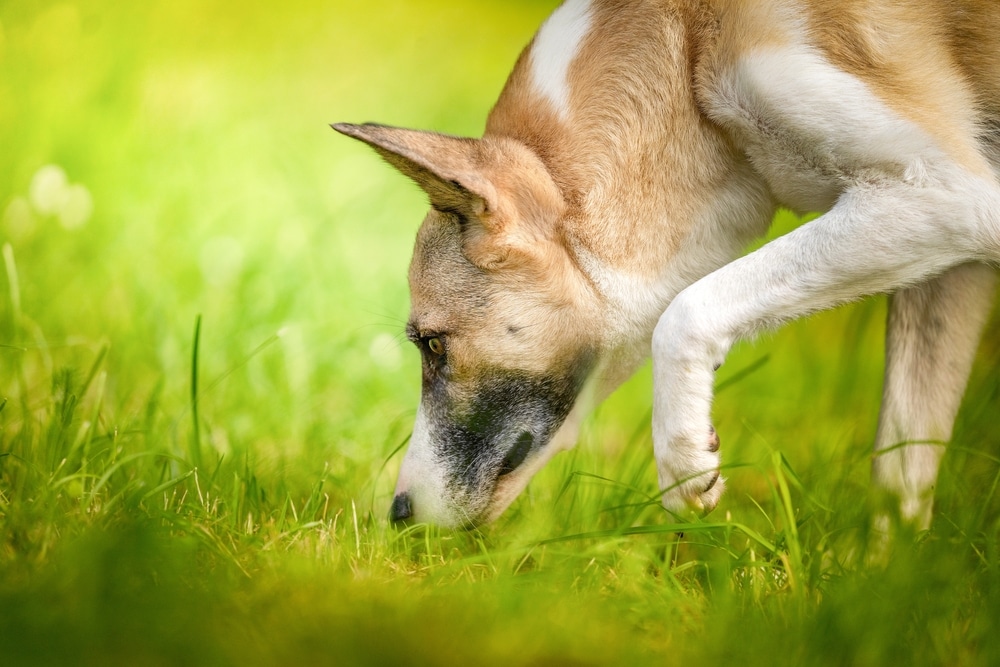
Turn Mealtime into a Nose Game: The Benefits of Scent-Based Feeding
For many dogs, mealtime is over in a flash — just a few seconds of excitement before the bowl is licked clean. While this may seem harmless, fast or repetitive feeding routines often miss an opportunity to provide mental stimulation and enrichment. Enter scent-based feeding — a simple shift that turns ordinary meals into engaging, rewarding activities. By encouraging your dog to work for their food using their nose, you not only slow down eating but also support their physical, emotional, and cognitive well-being. Let’s explore why scent-based feeding matters, and how to incorporate it into your dog’s daily routine.
Why Dogs Should Work for Their Food
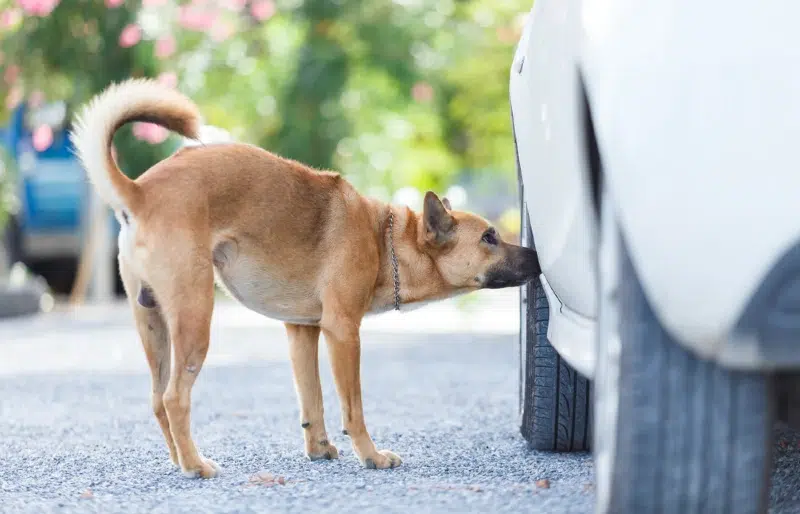
In the wild, dogs and their ancestors spent hours each day foraging, sniffing, hunting, and scavenging. Food wasn’t handed to them — they had to earn it. While our modern dogs enjoy a much more convenient life, their instincts for problem-solving and scent work haven’t disappeared.
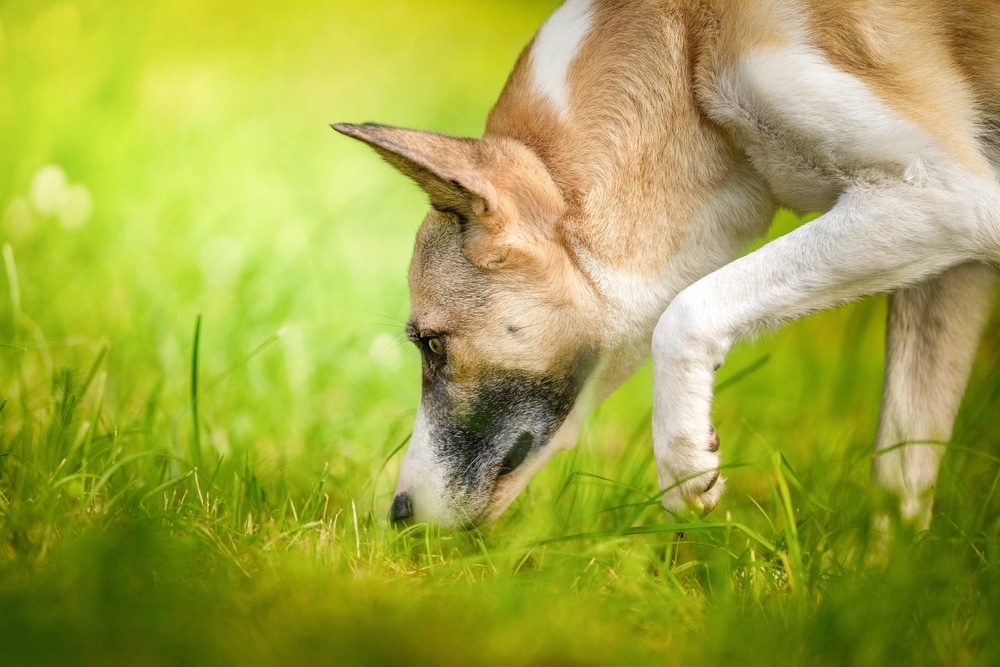
Scent-based feeding taps into this natural drive, satisfying both hunger and the need for mental stimulation.
Benefits include:
-
Slower eating and better digestion
-
Reduced boredom and destructive behaviors
-
Mental stimulation to tire out high-energy dogs
-
Confidence-building for shy or anxious pups
-
Weight management, as mealtime becomes more intentional
What Is Scent-Based Feeding?
Scent-based feeding simply means encouraging your dog to use their nose to find their food, rather than eating from a bowl. This can be as simple or creative as you want — from scattering kibble in the grass to using puzzle toys or hiding meals around the house.
It’s not about turning mealtime into a training session — it’s about making it more enriching, engaging, and natural.
6 Easy Ways to Add Scent to Mealtime
1. Scatter Feeding
Perfect for dry kibble and quick setups.
How to do it:
-
Toss your dog’s kibble across the grass, floor, or a snuffle mat.
-
Let them sniff and forage to find each piece.
Why it works:
It slows down fast eaters and encourages natural foraging behavior.
2. Snuffle Mats
These mats mimic grassy terrain with fleece or fabric strips.
How to use it:
-
Sprinkle food throughout the mat and let your dog dig in — with their nose, not their paws.
Bonus tip:
Great for rainy days or apartment living when outdoor sniffing time is limited.
3. Towel Roll-Up
A quick DIY puzzle that engages both nose and paws.
How to use it:
-
Lay out a towel, scatter food on it, and roll it up loosely.
-
Let your dog sniff and nudge to unroll the towel and reveal the food.
Tip: Adjust tightness based on your dog’s experience level.
4. Muffin Tin Puzzle
A budget-friendly brain game.
How to use it:
-
Place food in a few cups of a muffin tin.
-
Cover all cups with tennis balls or safe toys.
-
Let your dog sniff out which cups contain food and remove the balls to get to it.
5. Cardboard Box Buffet
Make mealtime a scent-driven scavenger hunt.
How to use it:
-
Collect clean, empty boxes or paper bags.
-
Scatter food inside one or more, then place them around a room.
-
Let your dog sniff and explore to find each stash.
Caution: Supervise to avoid ingestion of non-food materials.
6. “Find It” Hide-and-Seek
Turn mealtime into a nose-led search.
How to play:
-
Hide food in different parts of a room or home while your dog waits.
-
Give the “Find it” cue and let them sniff out each hiding spot.
Great for:
Burning energy indoors and mentally tiring out easily bored dogs.
How Often Should You Use Scent-Based Feeding?
-
Start with 1–2 meals per week and gradually increase as your dog gets the hang of it.
-
You can rotate between bowl feeding and enrichment-based feeding depending on your schedule.
-
Even partial meals can be used for scent games, with the rest served as usual.
Is It Suitable for Every Dog?
Yes — with a few adjustments.
-
Puppies: Start with easy games and soft surfaces.
-
Senior dogs: Keep challenges low-impact and accessible.
-
Reactive or anxious dogs: Use scent feeding as a calming tool in safe environments.
-
Dogs with mobility issues: Use mats or puzzles at a comfortable height.
Always supervise to ensure safety and prevent frustration.
Transform your dog’s behavior with Off Leash K9 Training – Madison. As part of the fastest-growing dog training company in the U.S., we offer expert training that helps dogs of all breeds, sizes, and ages achieve top-notch obedience without a leash. Whether you need private lessons or behavior consultations, our proven methods ensure a strong bond between you and your dog. Contact us today at (608) 305-8050 to explore our training programs and start your journey to a well-behaved, off-leash pup!