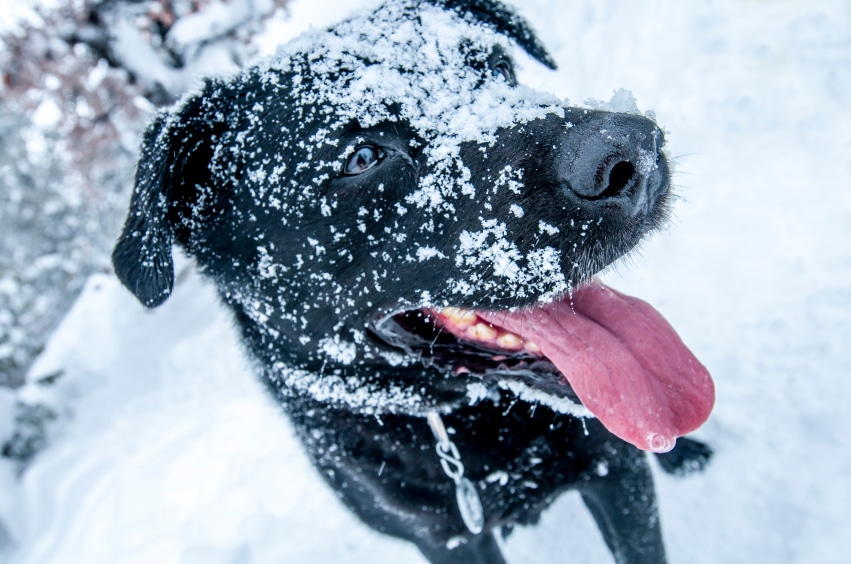
Teaching Recall in Winter: Snow, Visibility, and Temperature Tips
Recall—the ability for your dog to come to you reliably on command—is essential year-round, but winter conditions present unique challenges. Snow, icy terrain, and reduced daylight can make training more difficult and potentially unsafe if your dog doesn’t respond promptly. With careful planning and adapted techniques, you can maintain and improve recall skills even in the coldest months.
Here’s how to approach winter recall training safely and effectively.

Understanding Winter Recall Challenges
-
Reduced Visibility
Snow, low light, and early sunsets make it harder for dogs to see you and for you to track them. -
Distractions in Snow
Dogs may be fascinated by snow piles, ice, or buried scents, making them less responsive to recall cues. -
Cold and Slippery Surfaces
Icy or uneven terrain can discourage dogs from running or may lead to slips if they approach too quickly. -
Shortened Training Windows
Cold temperatures reduce endurance, so dogs may tire faster during outdoor training.
1. Choose Safe, Controlled Areas
Start recall training in locations that minimize risk:
-
Snow-cleared yards or open areas with little ice
-
Quiet parks with low foot traffic
-
Indoor spaces for initial winter practice
Controlled environments reduce the likelihood of injury and allow you to focus on recall behavior rather than environmental hazards.
2. Use High-Value Rewards
Winter distractions require strong motivation. Increase your dog’s incentive to respond quickly.
Examples of high-value rewards:
-
Freeze-dried meat or cheese pieces
-
Favorite toys that can be thrown or tugged
-
Warm, small bites of low-sodium broth
Reward immediately upon arrival to reinforce the recall behavior.
3. Short, Frequent Sessions
Cold weather limits how long your dog can comfortably train. Instead of long sessions:
-
Use multiple short training bursts (3–10 minutes each)
-
Combine outdoor recall with indoor practice if temperatures are extreme
-
Always end sessions on a positive note
Short, frequent training helps maintain focus and avoids fatigue or frustration.
4. Enhance Visibility
Ensure both you and your dog are easily seen during low-light winter conditions.
Tips:
-
Use reflective collars, harnesses, or vests
-
Wear bright or reflective clothing
-
Consider a light-up collar or leash for evening training
Clear visibility reduces confusion and increases safety during off-leash exercises.
5. Adapt Commands to Winter Conditions
Snow and ice can make dogs cautious or hesitant. Modify your cues and body language to encourage confident movement:
-
Use a cheerful, enthusiastic tone
-
Step toward your dog to encourage approach
-
Avoid sudden movements on icy ground
Positive, confident cues increase your dog’s willingness to come despite distractions or challenging terrain.
6. Practice Gradual Distance Increases
Start with short recall distances in winter, then slowly expand:
-
Begin a few feet away in a safe, clear area
-
Gradually increase distance once your dog responds consistently
-
Add mild distractions like snow piles or sounds before extending distance further
Gradual progression helps your dog focus on you despite the new winter environment.
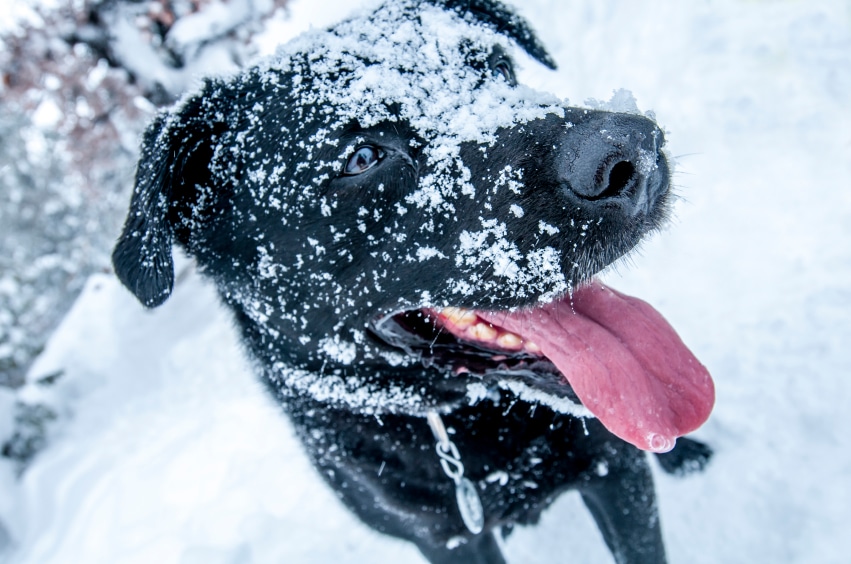
7. Monitor Temperature and Paw Health
Extreme cold can affect performance and safety:
-
Watch for signs of discomfort or frostbite
-
Use booties or paw balm to prevent ice accumulation and irritation
-
Shorten sessions if your dog appears cold or reluctant
Healthy, comfortable dogs are more likely to respond reliably to recall cues.
8. End on a Positive Note
Always finish winter recall training with success:
-
Give praise, treats, or a favorite toy
-
Avoid letting frustration build
-
Schedule a warm-up indoors if the weather is harsh
Ending positively reinforces the behavior and encourages enthusiasm for the next session.
Transform your dog’s behavior with Off Leash K9 Training – Madison. As part of the fastest-growing dog training company in the U.S., we offer expert training that helps dogs of all breeds, sizes, and ages achieve top-notch obedience without a leash. Whether you need private lessons or behavior consultations, our proven methods ensure a strong bond between you and your dog. Contact us today at (608) 305-8050 to explore our training programs and start your journey to a well-behaved, off-leash pup!