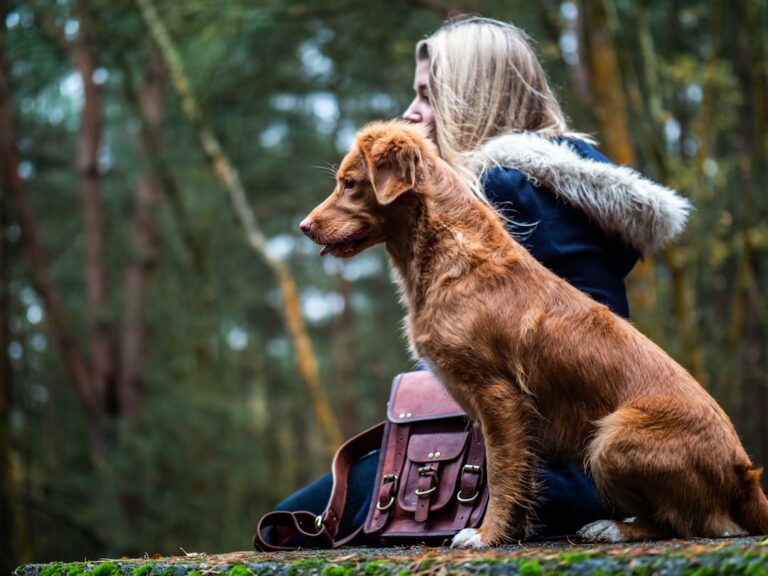
Preparing Your Dog for Outdoor Adventures and Hiking Trips
Taking your dog on outdoor adventures or hiking trips can be an incredibly rewarding experience—for both of you. But the wilderness presents unique challenges: uneven terrain, unpredictable weather, wildlife encounters, and extended periods of activity. Proper preparation ensures your dog stays safe, healthy, and happy throughout the journey.

Here’s a guide to getting your dog ready for outdoor adventures.
1. Build Physical Fitness Gradually
Before tackling long hikes or rugged trails, make sure your dog is in shape:
-
Start with short walks on varied terrain
-
Gradually increase distance and elevation
-
Include off-leash play (where safe) for agility and stamina
-
Monitor for signs of fatigue, soreness, or joint discomfort
Dogs that are physically conditioned are less likely to injure themselves during outdoor excursions.
2. Teach Reliable Recall and Commands
In natural settings, safety depends on your dog responding promptly:
-
Come – ensures your dog returns when called
-
Stay – prevents dangerous situations near cliffs or streams
-
Leave it – protects your dog from ingesting harmful plants or wildlife
-
Heel – helps control movement on narrow trails
Practice commands in increasingly distracting outdoor environments to reinforce reliability.
3. Get Comfortable with Gear
Depending on your adventure, your dog may need gear such as:
-
A well-fitting harness or collar with ID tags
-
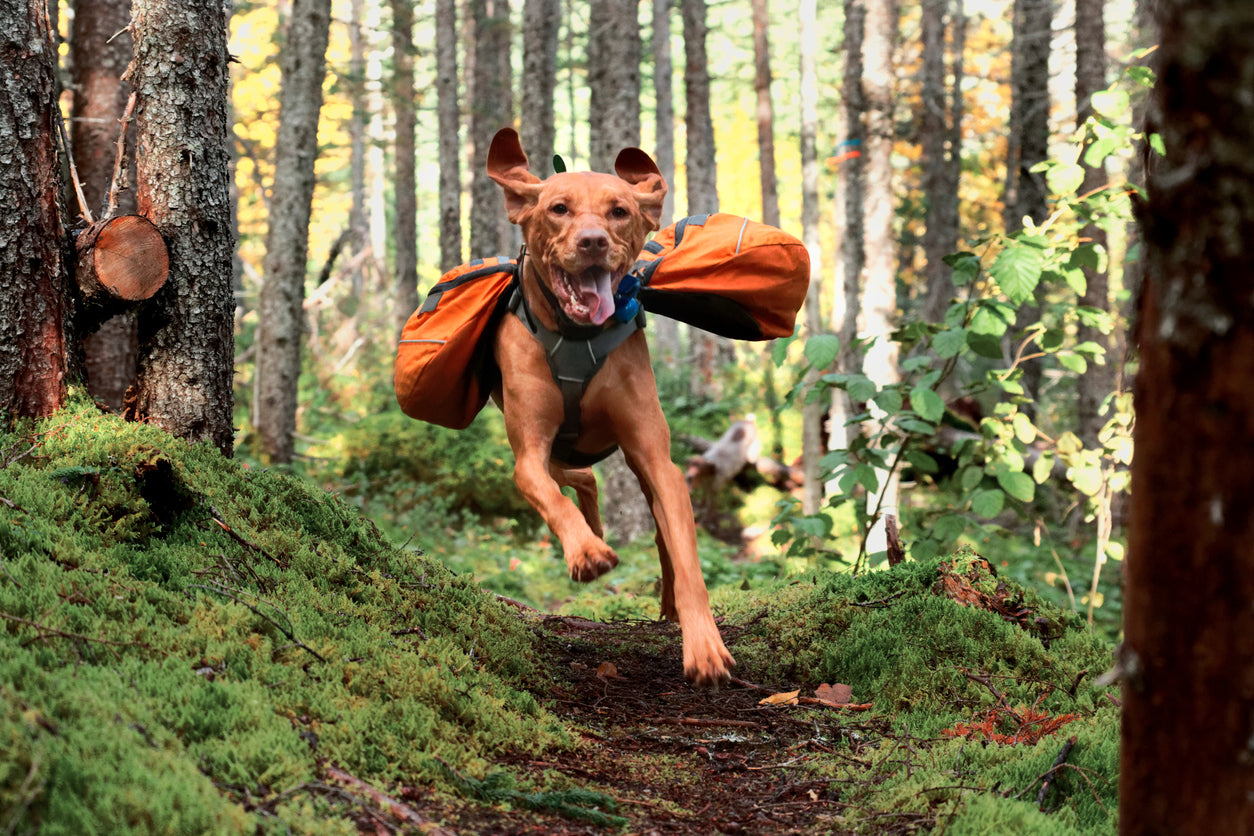
Dog-specific backpack for carrying water, food, or first aid
-
Paw protection (booties) for rocky or hot terrain
-
Reflective or brightly colored gear for visibility
Introduce gear gradually so your dog associates it with positive experiences.
4. Hydration and Nutrition Planning
Proper hydration and energy are crucial:
-
Bring plenty of water and a collapsible bowl
-
Offer small, frequent meals or high-energy treats
-
Take regular water breaks, especially in hot or sunny conditions
-
Monitor for signs of dehydration: panting, drooling, lethargy
Maintaining hydration and nutrition keeps your dog alert and comfortable on the trail.
5. Acclimate to Outdoor Conditions
Dogs may be sensitive to heat, cold, or altitude:
-
Gradually expose your dog to temperature variations
-
Use sun protection, such as paw wax or shade breaks
-
Avoid midday heat, especially for dark-coated or brachycephalic breeds
-
Monitor for altitude-related fatigue in mountainous areas
Acclimation reduces stress and prevents environmental injuries.
6. Practice Trail Etiquette
When hiking with other people or dogs:
-
Keep your dog on leash where required
-
Yield the trail to other hikers
-
Avoid disturbing wildlife
-
Clean up all waste to protect the environment
Proper etiquette ensures your dog is welcome on shared trails and helps preserve natural areas.
7. Build Endurance and Confidence
Explore varied terrain to develop agility and confidence:
-
Walk on rocks, logs, sand, or shallow water
-
Practice gentle climbs and descents
-
Reward calm, steady movement
Exposure to different surfaces prepares your dog for real-world hiking conditions.
8. Pack a Dog-Specific First Aid Kit
Safety is essential in remote areas:
-
Bandages and antiseptic wipes
-
Tweezers for ticks or splinters
-
Any medications your dog may need
-
Emergency contact numbers and veterinary info
Being prepared allows for quick response to minor injuries and prevents complications.
9. Identify Dog-Friendly Trails
Not all trails are suitable for dogs:
-
Research local regulations and pet restrictions
-
Choose trails appropriate for your dog’s size, age, and fitness level
-
Prefer well-marked, maintained paths for safety
Planning ahead minimizes stress and maximizes enjoyment for both you and your dog.
10. Observe and Adjust
Pay attention to your dog’s behavior:
-
Watch for signs of fatigue, overheating, or stress
-
Offer rest breaks and shaded areas
-
Adjust pace or distance according to your dog’s needs
-
Never push your dog beyond their limits
A responsive approach ensures that your dog associates outdoor adventures with fun, not discomfort.
Transform your dog’s behavior with Off Leash K9 Training – Madison. As part of the fastest-growing dog training company in the U.S., we offer expert training that helps dogs of all breeds, sizes, and ages achieve top-notch obedience without a leash. Whether you need private lessons or behavior consultations, our proven methods ensure a strong bond between you and your dog. Contact us today at (608) 305-8050 to explore our training programs and start your journey to a well-behaved, off-leash pup