Unlock the Secrets of Touch Training: Help Your Dog Accept Human Contact
Does your dog flinch or shy away when you try to pet them? Touch sensitivity in dogs can be challenging, but there’s hope for building a stronger, more trusting relationship with your furry friend. Touch training is a systematic approach that helps dogs become comfortable with human contact. Through positive reinforcement and gradual desensitization, you can transform your dog’s response to handling from anxiety to acceptance. Whether you have a skittish puppy or an adult dog with touch sensitivity, this guide will walk you through proven techniques to: • Build trust through gentle handling exercises • Create positive associations with touch • Progress at your dog’s comfort level • Master the art of timing and rewards Let’s explore how you can help your dog feel more confident and relaxed during everyday interactions, grooming sessions, and veterinary visits.
 Training with Puppies
Early Handling Exercises
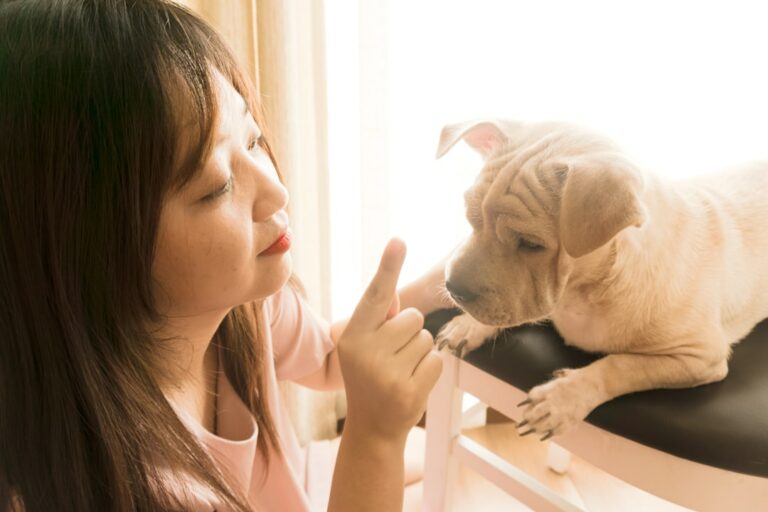
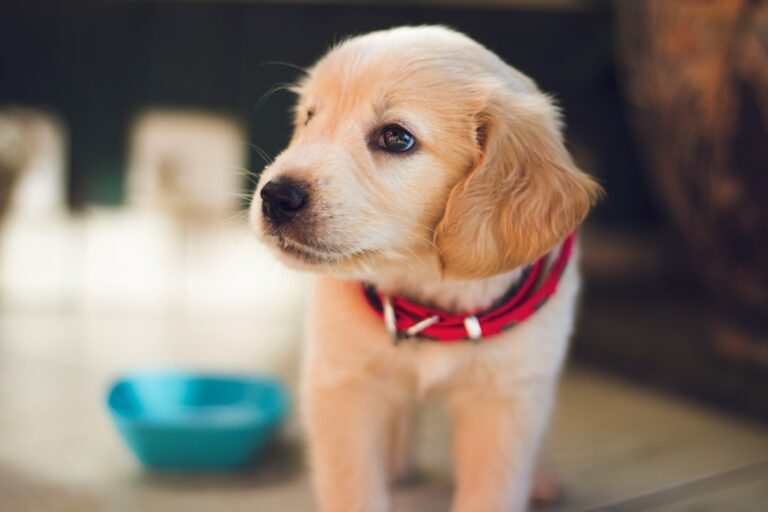
Starting touch training early in your puppy’s life is crucial for developing a well-adjusted adult dog. A daily puppy massage not only helps build trust but also makes future veterinary visits and grooming sessions much easier. Begin by choosing quiet moments when your puppy is calm and relaxed, perhaps after a meal or playtime.
Focus on gentle touches to different areas of your puppy’s body, starting with less sensitive spots like the shoulders and back. Gradually work your way to more sensitive areas like your puppy’s paw, ears, and muzzle. Keep these initial sessions short, around 2-3 minutes, to prevent overwhelming your young companion.
Make handling part of your puppy’s daily routine. During these exercises, pay attention to their body language and respect their comfort levels. If they show signs of stress, take a step back and proceed more slowly.
Building Positive Associations
Transform handling exercises into enjoyable experiences by pairing them with rewards your puppy loves. When touching different body parts, offer high-value treats immediately after the touch. This creates a powerful connection between human contact and positive outcomes.
Start by touching one area briefly, then reward. As your puppy becomes more comfortable, extend the duration of touch while maintaining the same positive reinforcement. For example, when handling your puppy’s paw, begin with a quick touch followed by a treat, then progress to holding the paw for a few seconds.
Incorporate handling exercises into everyday activities like feeding time or play sessions. This helps your puppy understand that touch is a natural part of your interactions together. Remember to keep the atmosphere light and playful, using a cheerful voice and plenty of praise throughout the process.
Touch Training for Adult and Older Dogs
Addressing Existing Sensitivities
Working with an older dog who has developed touch sensitivity requires a thoughtful and patient approach. Unlike puppies, adult dogs may carry emotional baggage from past experiences that have shaped their reactions to human contact. Understanding your fearful dog’s triggers and body language is crucial before beginning any touch training.
Start by observing your dog’s comfort zones – areas where they accept touch without showing signs of stress. These become your starting points for building trust. Remember that an older dog may need more time to adjust to new handling routines, especially if they’ve had negative experiences in the past.
Progressive Training Techniques
Begin with indirect contact by sitting near your dog without touching them, offering treats to create positive associations. Once they’re comfortable, progress to brief touches in their comfort zones, immediately followed by high-value rewards.
Keep training sessions short – about 2-3 minutes several times a day. This prevents overwhelming your older dog and helps maintain their engagement. Use these techniques:
– Touch and treat: Quick, gentle touches paired with immediate rewards
– Duration building: Gradually increase the length of touch as your dog shows comfort
– Pressure variation: Start with very light touches, slowly working up to firmer handling
– Location expansion: Systematically move from comfortable areas to more sensitive spots
Always watch for stress signals and back off if your dog shows discomfort. Progress may be slower with an older dog, but consistency and patience will lead to lasting improvements in their touch tolerance.

Step-by-Step Touch Desensitization Process
Starting with Shoulder Touches
Begin the touch desensitization process with your dog’s shoulders, as this area is typically less sensitive and more accepting of contact. Keep your initial sessions brief and positive, lasting no more than 5 minutes. Place your hand gently on your dog’s shoulder while simultaneously offering a treat with your other hand.
The move touch process should be slow and deliberate. Touch the shoulder for 1-2 seconds, then immediately reward. Repeat this several times until your dog shows visible signs of comfort and anticipation of treats when touched.
Progressing to Different Body Parts
Once your dog is comfortable with shoulder touches, gradually expand to other body areas. Follow a systematic approach, moving from less sensitive areas to more challenging ones. The entire process requires patience and consistency.
Start with:
– Back and chest
– Neck and base of tail
– Legs and paws
– Head and ears
Always watch your dog’s body language for signs of stress or discomfort. If they show any resistance, return to an area where they’re more comfortable before trying again.
Building Duration and Pressure
After establishing comfort with basic touches, begin increasing both the duration and pressure of your contact. Follow this sample plan:
1. Extend touch duration from 2 seconds to 5 seconds
2. Gradually increase pressure while maintaining the same duration
3. Progress to gentle handling and manipulation
4. Incorporate light restraint when ready
Remember to maintain a high rate of reinforcement throughout this progression. Your dog should always associate handling with positive experiences and rewards.
Keep training sessions short but frequent, ideally 2-3 times per day. This helps maintain engagement and prevents overwhelming your dog during the learning process.

Handling Specific Body Areas
Paw and Nail Care
Many dogs are particularly sensitive about their paws, making them one of the most challenging parts of dog to handle during grooming. Start by gently touching the top of the paw, then progress to holding it for a few seconds. Gradually work your way to touching individual toes and the sensitive areas between them.
When introducing nail trimming, let your dog investigate the clippers first. Practice touching the clippers to their paws without cutting, rewarding generously. Once comfortable, trim just one nail per session initially to build trust and confidence.
Dental and Ear Care
The mouth and ears represent another most sensitive area for many dogs. For dental care, begin by letting your dog lick something tasty from your finger, then gradually progress to lifting their lips and touching their teeth. Use a finger brush before introducing a regular toothbrush.
With ear handling, start by touching around the base of the ears, then work your way to gentle ear massage. Many dogs learn to enjoy ear handling when it’s paired with positive experiences and treats.
General Grooming
When working with brushes and combs, introduce them slowly by letting your dog sniff and investigate. Start brushing in less sensitive areas like the back or shoulders. Keep initial sessions brief and gradually increase duration as your dog becomes more comfortable.
Pay special attention to commonly sensitive spots like the belly, tail base, and hindquarters. Use gentle, predictable strokes and watch your dog’s body language for signs of discomfort. Always end grooming sessions on a positive note, even if you only managed to work on one small area.
Remember to maintain a calm, patient approach throughout all handling exercises. Progress at your dog’s pace and never force interaction with sensitive areas if they show signs of stress or resistance.
Transform your dog’s behavior with Off Leash K9 Training – Madison. As part of the fastest-growing dog training company in the U.S., we offer expert training that helps dogs of all breeds, sizes, and ages achieve top-notch obedience without a leash. Whether you need private lessons or behavior consultations, our proven methods ensure a strong bond between you and your dog. Contact us today at (608) 305-8050 to explore our training programs and start your journey to a well-behaved, off-leash pup!